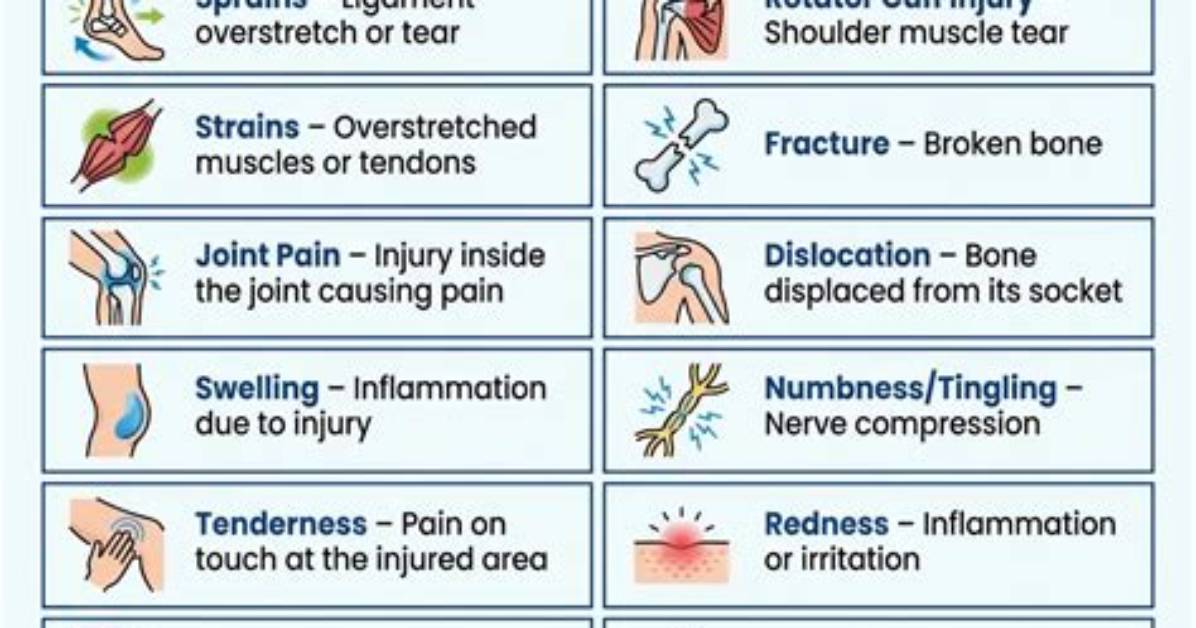
Bills injuries are a pressing concern in various contexts, particularly in sports, work, and everyday activities. Understanding the causes and types of these injuries is crucial for prevention and effective treatment. In this article, we will delve deep into what bills injuries are, their common causes, treatment options, and preventive measures. By the end, readers will have a comprehensive understanding of this topic, empowering them to make informed decisions regarding health and safety.
Whether you are an athlete, a worker in a high-risk environment, or simply someone who enjoys physical activities, being informed about bills injuries can help you take preventative steps. This article will serve as a guide, offering detailed explanations and practical advice tailored to various situations where bills injuries might occur. Let's dive into the intricacies of bills injuries, exploring their impact and how to manage them effectively.
What Are Bills Injuries?
Bills injuries refer to physical harm that occurs in various settings, resulting from accidents, falls, or repetitive motion. These injuries can affect different parts of the body and may vary in severity from mild strains to severe fractures.
Understanding bills injuries requires recognizing their context. For instance, athletes may experience different types of injuries compared to office workers. The environment plays a crucial role in determining the nature and prevalence of these injuries.
Overall, bills injuries encompass a wide range of physical injuries that can have significant implications for an individual’s health, mobility, and quality of life.
Common Causes of Bills Injuries
Numerous factors contribute to bills injuries, including:
- Accidents: Unintentional falls, collisions, or mishaps can lead to bills injuries.
- Repetitive Motion: Jobs or sports that require repetitive actions can strain muscles and joints.
- Poor Ergonomics: Improper workstation setups can lead to chronic injuries, particularly in office settings.
- Inadequate Training: Lack of proper training in sports or physical activities increases the risk of injuries.

